
Articles

Feeling Stuck in Injustice
There is a force that challenges our mind and our well-being: injustice.
It appears when life does not unfold the way we wish—when others succeed, and we feel left on the sidelines, when we miss an opportunity, or even a train or a flight. It can feel like swimming against the current of a river, using all our energy and getting nowhere.
When this happens, the mind easily turns inward and begins its familiar dialogue: Why me? This isn’t fair.
Without noticing, we slip into stagnation
The Emotional Architecture of Trust
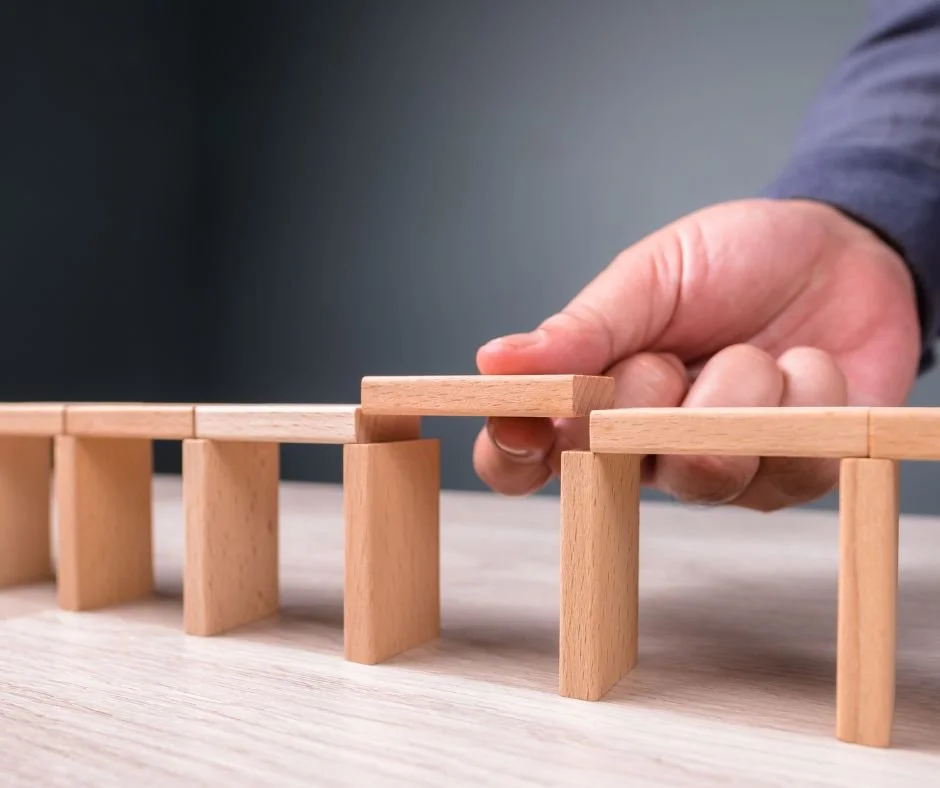
Trust is a word we use often, yet we rarely pause to define it. We speak of trust, but most of the time we confuse it with belief, hope, or expectation. Trust, however, is not merely an idea held in the mind. It is a lived value—one we experience through the body, the mind, and the way we meet life’s challenges.
Anatomy of Emotional Management:
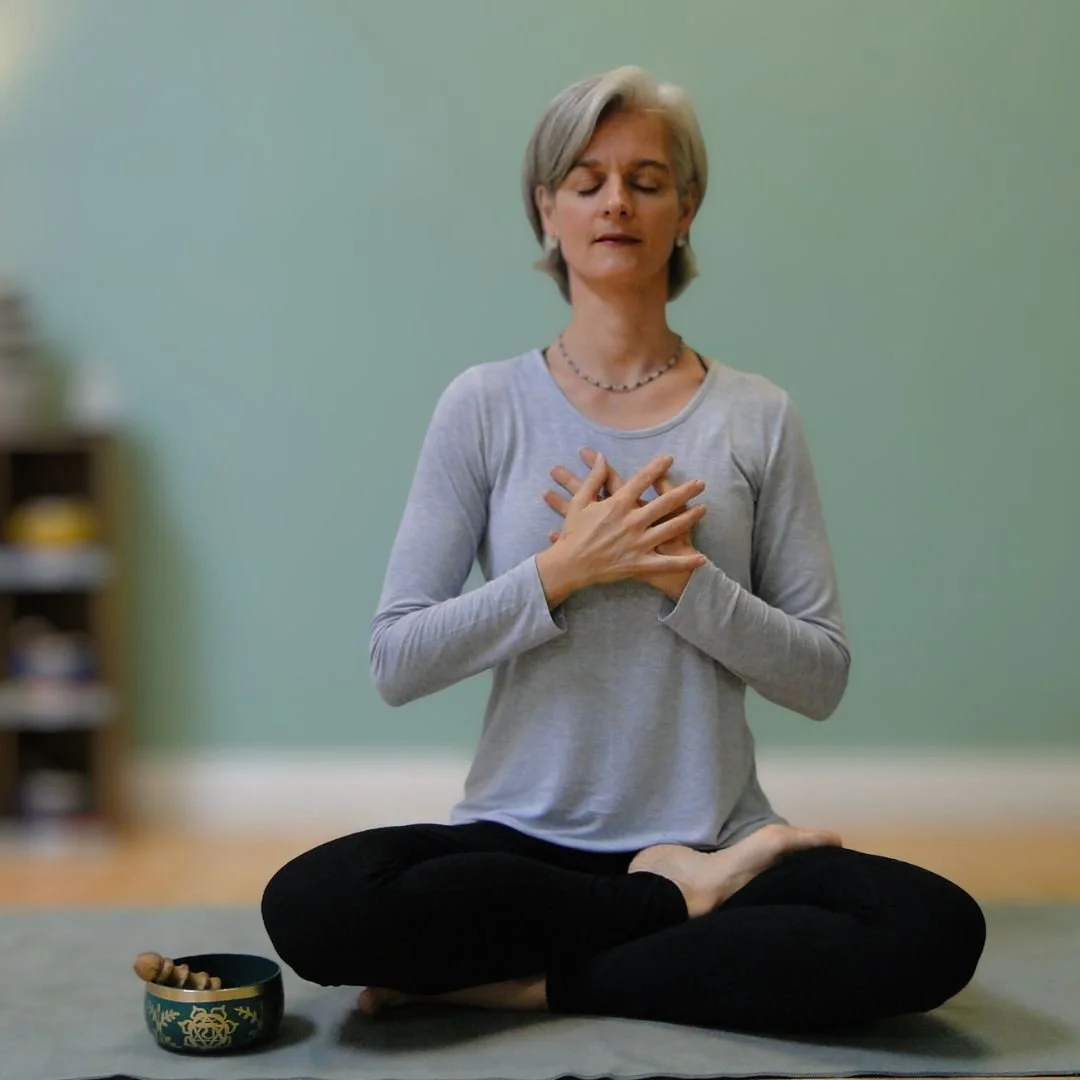
Lately, I’ve realized that I approach emotional management the way I understand health and well-being, holistically. Wellness isn’t the result of a single practice — it comes from tending to the body, supporting the mind, and staying connected to ourselves and others. This makes us feel whole and complete. And, emotional balance follows the same path.
Emotional Intelligence and Ayurvedic Wisdom
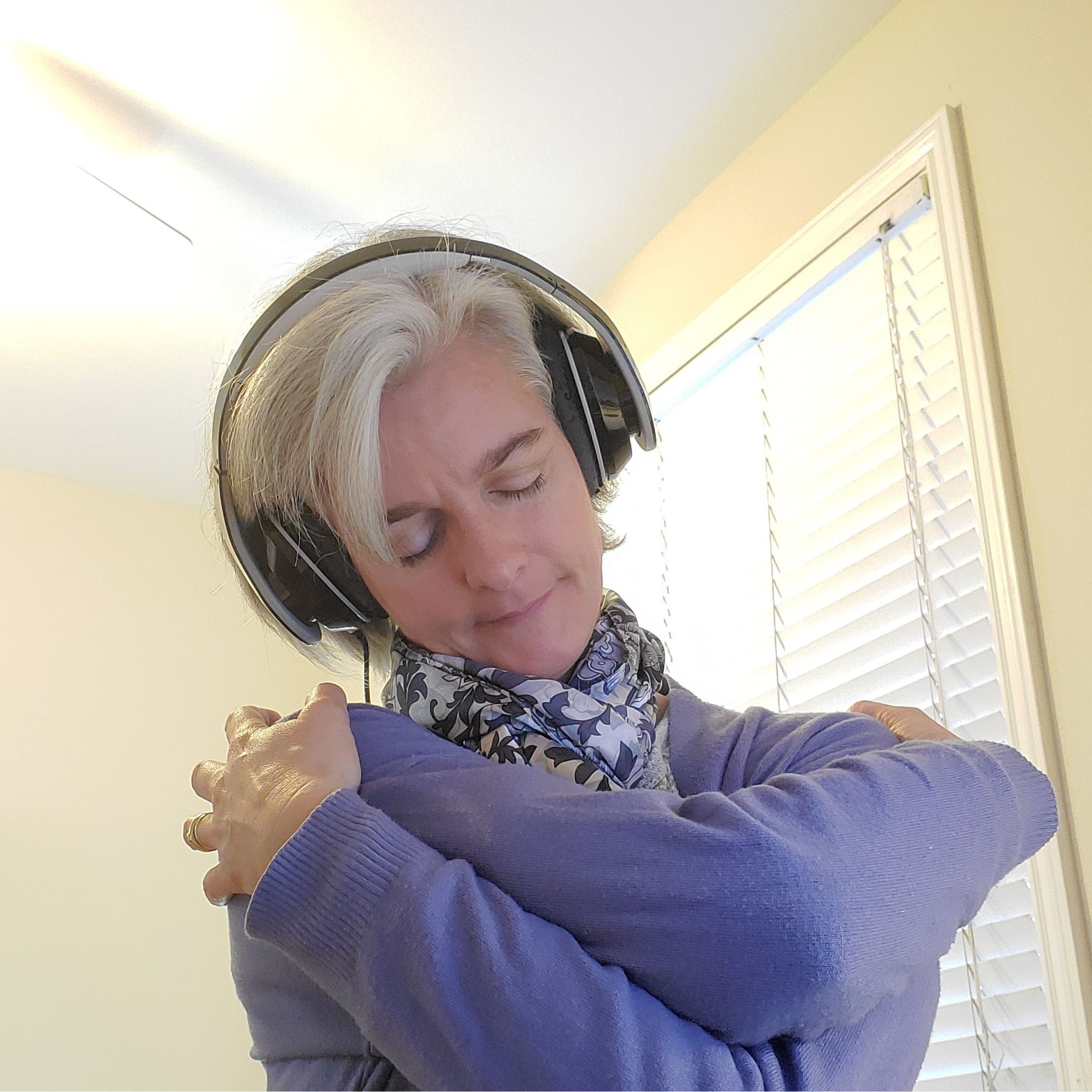
Emotional intelligence and Ayurvedic wisdom both explore how emotions influence our mind, body, and sense of well-being—offering complementary perspectives on emotional balance and regulation.

Emotional Balance: A Path Back to the Self
Emotional balance is not about staying calm, suppressing what we feel, or pretending we have everything under control. Emotional balance is a return to ourselves — a way of stepping out of unnecessary suffering so we can move through life with clarity, compassion, and intention.

Invisible No More: Rediscovering Yourself After a Lifetime of Roles
There comes a moment in midlife when a woman might look at herself and feel something unsettling — not sadness or boredom, but an absence. An internal question: Where did I go?
It feels like she is invisible to the world and to herself.
Rediscovering Community in Midlife: Coming Home to Ourselves and One Another
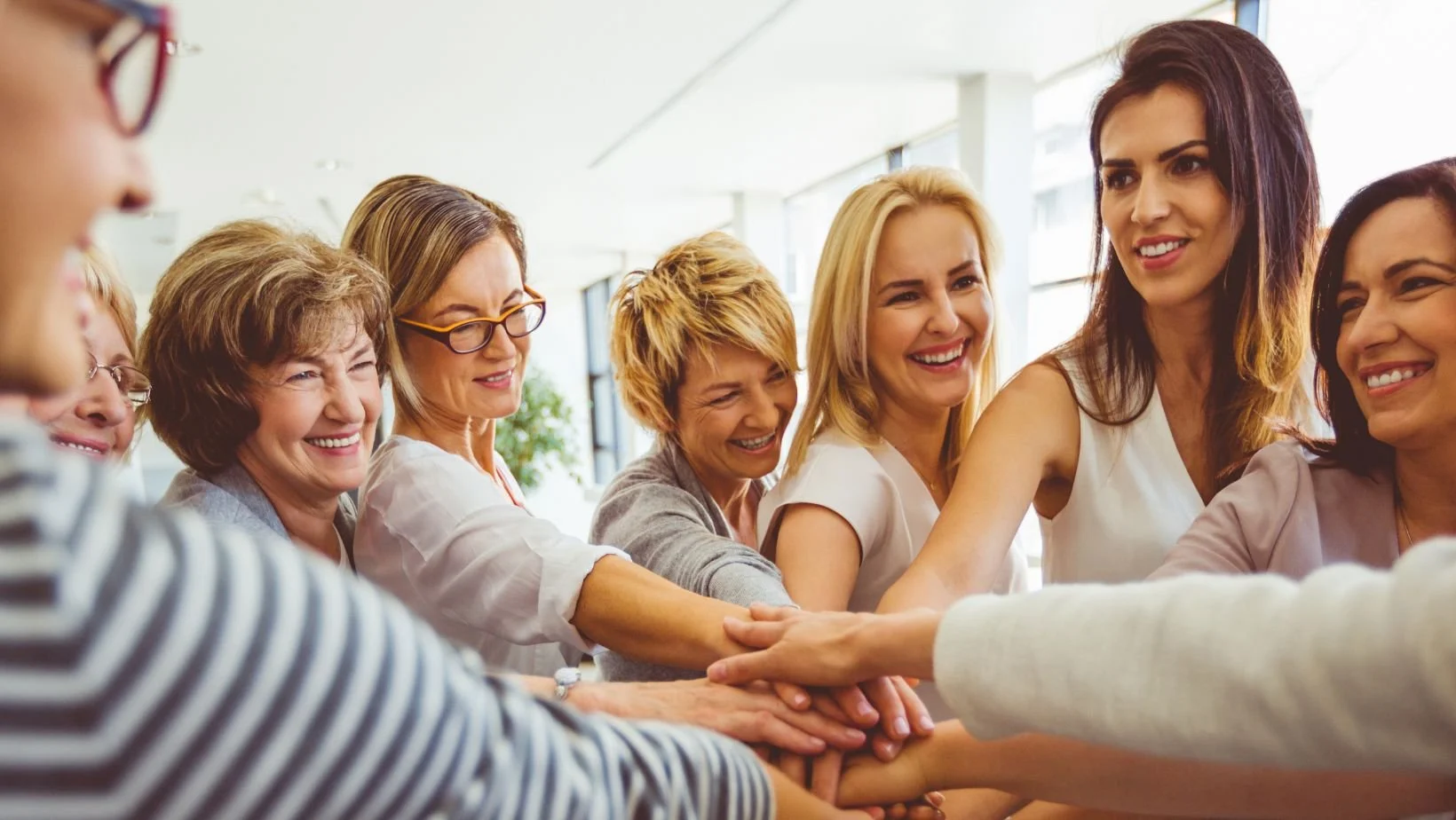
However, in this equation, there was something I hadn’t considered: the importance of social life and community.
While my children were home, community felt effortless. We naturally met other parents through school, sports, music, and clubs. Even through several moves, as long as my children lived with us, friendships came easily.
But when they left home…

Midlife Redefined: A Conscious Awakening
When I began hearing adults dismiss others with, “Oh, she’s having a midlife crisis,” I recognized the same tone of misunderstanding I had heard as a teenager. Both seasons of life are times of transition — when we shed old identities that no longer serve us to embrace who we truly are. The difference is that now, we have the maturity to do it consciously.

How Midlife Women Can Naturally Balance Mood and Hormones Through Food
Last week, I had the privilege of giving a talk on Food and Longevity, and it inspired me to reflect even more deeply on the relationship between what we eat and how we feel. Food is more than fuel—it is one of the most powerful influences on our health, mood, and behavior.

Synchronicity in Midlife: Attention to Life’s Signs Leads to Emotional Freedom
Every stage of life requires us to say goodbye to one chapter to create another. In midlife, especially, we face deep transitions: children leaving home, shifting careers, aging parents, or changes in relationships. For decades, many of us identify with roles—mother, spouse, caregiver, or worker. When those roles shift, we may feel lost, anxious, or overwhelmed.
This is precisely when synchronicity becomes a guide. By paying attention to who we meet, the patterns that repeat, the songs that touch us at just the right time, or the dreams that stay with us, we begin to see life pointing us toward new meaning and renewed purpose.

The Great Lock-In, Redefined
A new trend called The Great Lock-In is spreading across social media — a call to focus, finish strong, and get ahead for 2026. Initially, it began as a productivity challenge encouraging people to “lock in” for the last months of the year, stay disciplined, and make progress before January 1st.
But for many women, especially in midlife, the idea of pushing harder can feel more draining than inspiring. So, what if we reimagined this trend?

Sacred Sleep: The Missing Key to Emotional Balance in Midlife
Lying in bed, eyes wide open, surrounded by the stillness of night, we sometimes wonder: why can’t I sleep? For many women in midlife, the reasons can feel endless—menopause, the emptiness of children leaving home, stress, loneliness, loss of connection, or the fear of what comes next. We know lack of sleep unsettles the nervous system and shakes our emotional balance. Yet the question lingers: what can we do?

Finding Yourself After Years of Giving
Our bodies constantly change, and so should our relationship with food. To support our hormonal shift, and life transitions — such as children leaving home or a new job, a new home, a new relationship — can stir emotions we weren’t expecting. During this time, food can become more than just fuel; it can be a way to restore balance, uplift our mood, and nurture not only the body but also the mind and soul.