
Anatomy of Emotional Management:
How Emotions Are Stored and Released
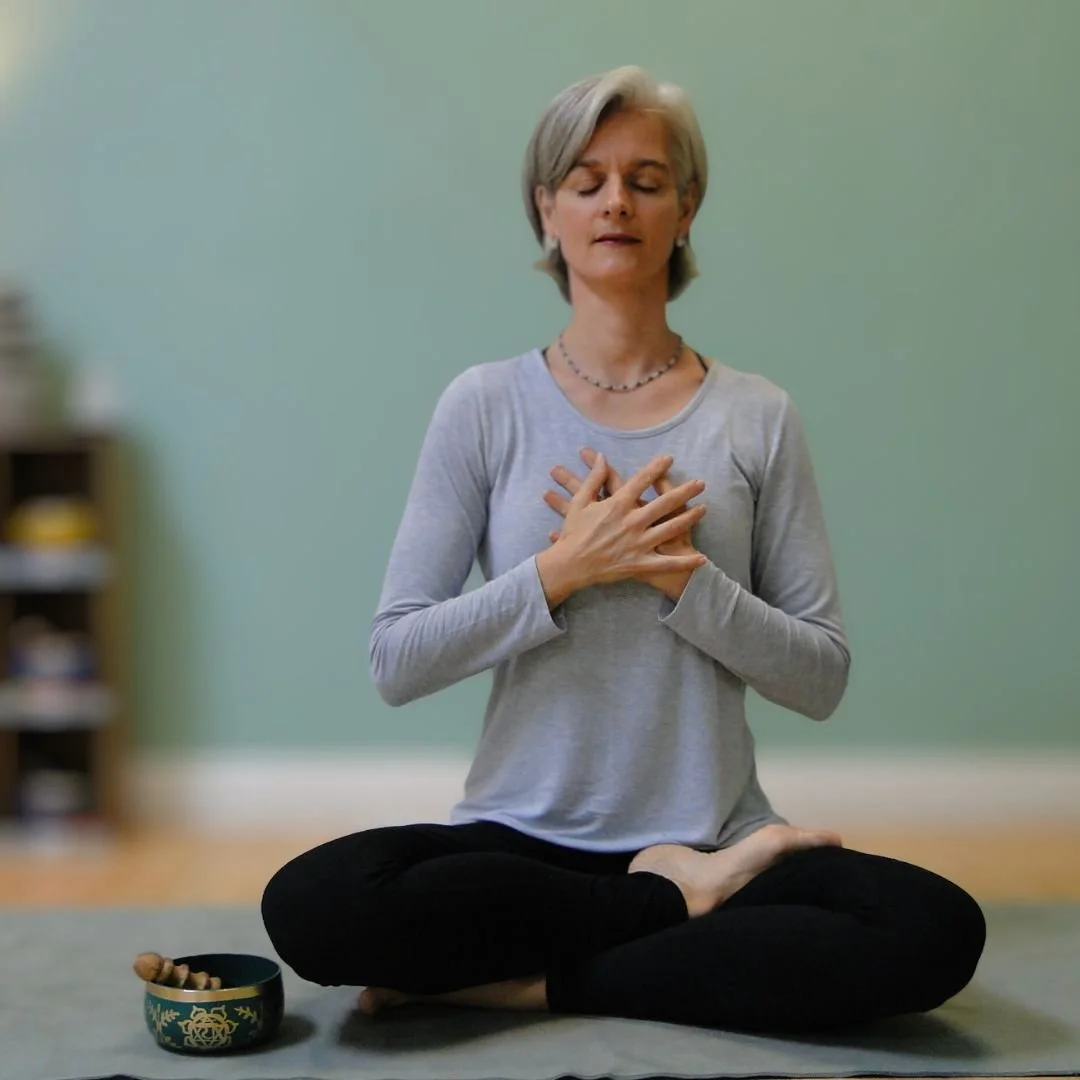
Lately, I’ve realized that I approach emotional management the way I understand health and well-being, holistically. Wellness isn’t the result of a single practice — it comes from tending to the body, supporting the mind, and staying connected to ourselves and others. This makes us feel whole and complete. And, emotional balance follows the same path. It is not something that happens only in the mind; it is an experience lived in the body, responding to the Self’s call.
Seen this way, emotional management is not about suppressing discomfort or controlling reactions. It is about engaging with the whole inner landscape — the physical sensations, the mental patterns, and the energetic shifts that make emotions what they are.
Emotions as Energy: A Scientific and Yogic Perspective
Although emotions are often described as psychological states, they begin as physical sensations. Before an emotion becomes a thought, we feel it: the heartbeat quickens, the breath changes, muscles tense or soften. Scientifically, this reflects a rapid cascade of neurological and hormonal activity that prepares the body to respond to life.
For example, a dog runs into the road, and you brake before you even think. The body reacts instantly. Fear rises, moves through, and ideally settles as soon as the danger passes.
In yogic philosophy, this same process is understood through prana, the vital life force that animates body and mind. Emotions are viewed as movements of pranic energy — waves that arise, flow, and complete themselves when nothing interferes.
But unlike the dog example, not all emotions complete their natural cycle. When we replay events mentally or resist what we feel, the energy does not disperse. The emotions remain activated: muscles tense, the breath becomes shallow, and the nervous system remains alert. Over time, this unresolved emotional residue can create stagnation — scientifically understood as chronic stress patterns and, in Ayurveda, as blocked prana that impacts digestion, vitality, and mental clarity.
Emotions are never just “in the mind.” They live in the body and leave traces if left unattended.
When Emotions Are Not Processed
Modern life often treats the body and mind as separate: Physical pain is treated as a mechanical issue. Emotional discomfort is seen as psychological. Mental strain is framed as stress. Each is addressed separately, as though the human being were divided into disconnected parts. Yet the human system does not work in compartments — shift one aspect, and all others respond.
When emotions are ignored or pushed aside, the energy they carry settles into the system. This may show up as recurring tension, fatigue, anxiety, low mood, or chronic illnesses without a clear cause. This does not mean every symptom is emotional, but a holistic lens invites us to consider the interaction between physiology, experiences, and internal resistance.
In this view, the body is not malfunctioning — it is signaling. When we treat physical issues in isolation or try to outrun emotions through distraction or constant activity, the signals simply grow louder. Instead of asking only What is wrong? We begin to ask, What is being held? What needs attention?
Processing Emotions Through Awareness, Movement, and Breath
Emotional healing begins with presence. When anger, sadness, or fear arises, the reflex is often to avoid. But emotions become manageable when we meet them through the body rather than solely in the mind.
The body reveals where emotional energy is stored — as tightness, heaviness, constriction, or unease. Intentional movement combined with conscious breathing helps restore flow and soften the internal grip around what we feel. Breath becomes the bridge: it regulates the nervous system, grounds the mind, and creates the conditions for clarity.
Only then does inquiry become insightful. From a regulated state, we can ask:
What am I truly feeling right now?
Where do I sense it in my body?
What is this emotion asking for — rest, expression, boundaries, change?
Emotional management is less about fixing and more about reconnecting — restoring communication between body, mind, and the deeper Self.
If This Approach Speaks to You
This holistic method is the foundation of my work. If this perspective resonates with you, I invite you to explore it more deeply. My methodology helps you understand what your emotions are communicating and integrate them with clarity, so they no longer dominate your life but guide it with intelligence and and more ease.