
Articles

Mindset and Emotional Balance: Understanding What Shapes Us From Within (Copy)
Mindset is often described as a way of thinking, but it goes deeper than that.
The mindset is a set of mental patterns and beliefs that shape how we make sense of the world and ourselves. It influences how we think, how we feel, and how we behave in any given situation. What we believe about ourselves—our capacities, our limits, our worth—directly impacts how we move through life, and ultimately, what we create or avoid.

No One Hands You a New Life — You Build It
For anyone who finds themselves in a moment of transition, reclaiming parts of themselves that had been placed aside for years, commitment can become the powerful starting point. When we commit to something meaningful for our personal well-being and persist patiently, action slowly appears where there was once hesitation.
The Body Is Not a Machine to Be Fixed, but Our Living Intelligence
As we learn to listen rather than override its signals, we begin to recognize that the body sends messages. Tension, fatigue, ease, or pain are not random experiences but indications of what may be out of alignment in our life, choices, or emotional landscape. While the mind can rationalize or distract, the body remains present and honest, expressing truth through sensation. In this way, listening to the body is not only a practice of mindfulness but a path toward deeper awareness of who we are.

Five Ways to Break Free From Emotional Inheritance
Becoming a parent carries a responsibility we often underestimate: tending to our own emotional life. Beyond providing safety, education, and care, we also transmit ways of feeling, reacting, and coping—often without realizing it. We all carry emotional patterns shaped by our parents, grandparents, culture, and personal history. These patterns influence how we respond to stress, express anger, relate to fear, or suppress what feels uncomfortable. When left unexamined, they pass from one generation to the next.

Feeling Stuck in Injustice
There is a force that challenges our mind and our well-being: injustice.
It appears when life does not unfold the way we wish—when others succeed, and we feel left on the sidelines, when we miss an opportunity, or even a train or a flight. It can feel like swimming against the current of a river, using all our energy and getting nowhere.
When this happens, the mind easily turns inward and begins its familiar dialogue: Why me? This isn’t fair.
Without noticing, we slip into stagnation

The Emotional Architecture of Trust
Trust is a word we use often, yet we rarely pause to define it. We speak of trust, but most of the time we confuse it with belief, hope, or expectation. Trust, however, is not merely an idea held in the mind. It is a lived value—one we experience through the body, the mind, and the way we meet life’s challenges.

Anatomy of Emotional Management:
Lately, I’ve realized that I approach emotional management the way I understand health and well-being, holistically. Wellness isn’t the result of a single practice — it comes from tending to the body, supporting the mind, and staying connected to ourselves and others. This makes us feel whole and complete. And, emotional balance follows the same path.
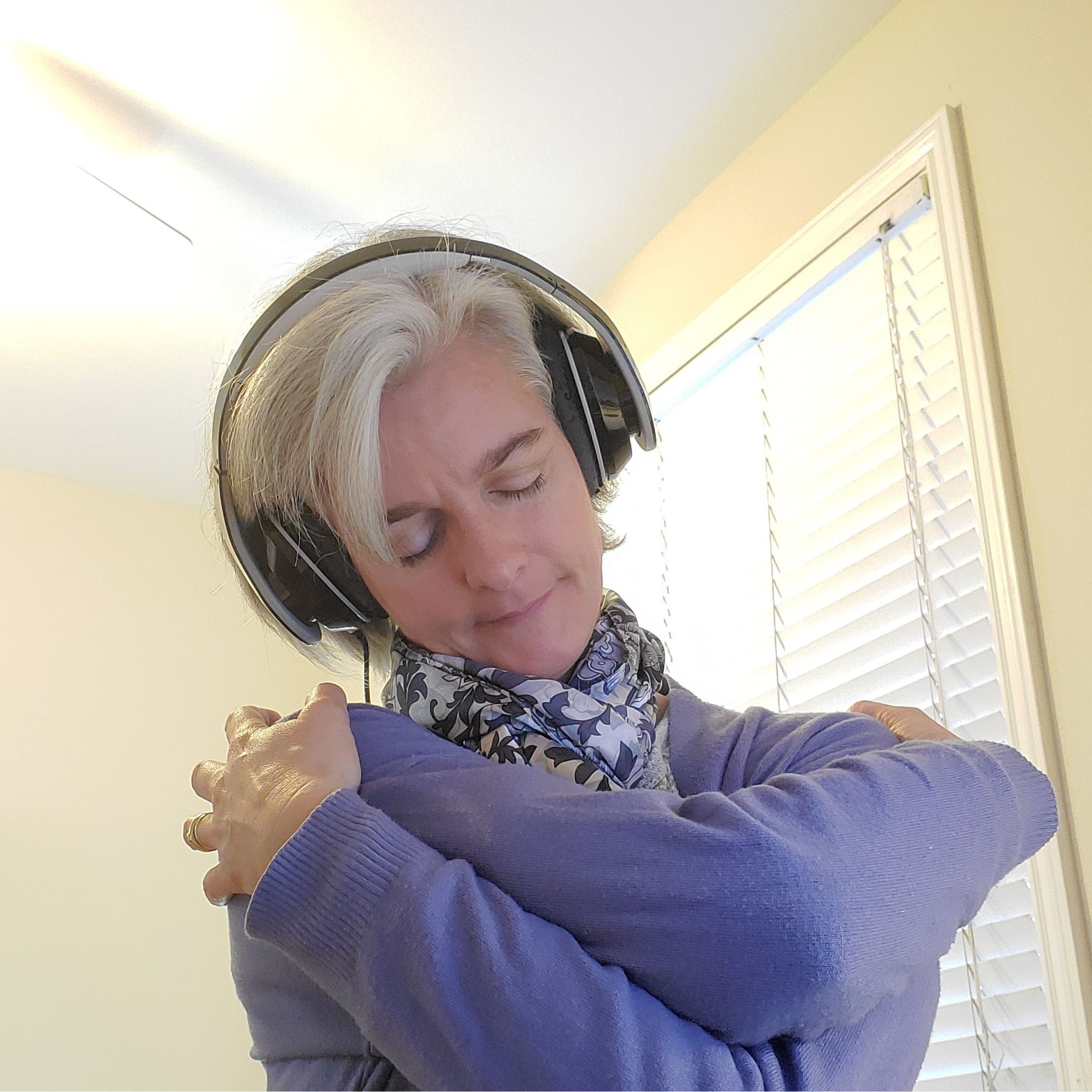
Emotional Intelligence and Ayurvedic Wisdom
Emotional intelligence and Ayurvedic wisdom both explore how emotions influence our mind, body, and sense of well-being—offering complementary perspectives on emotional balance and regulation.